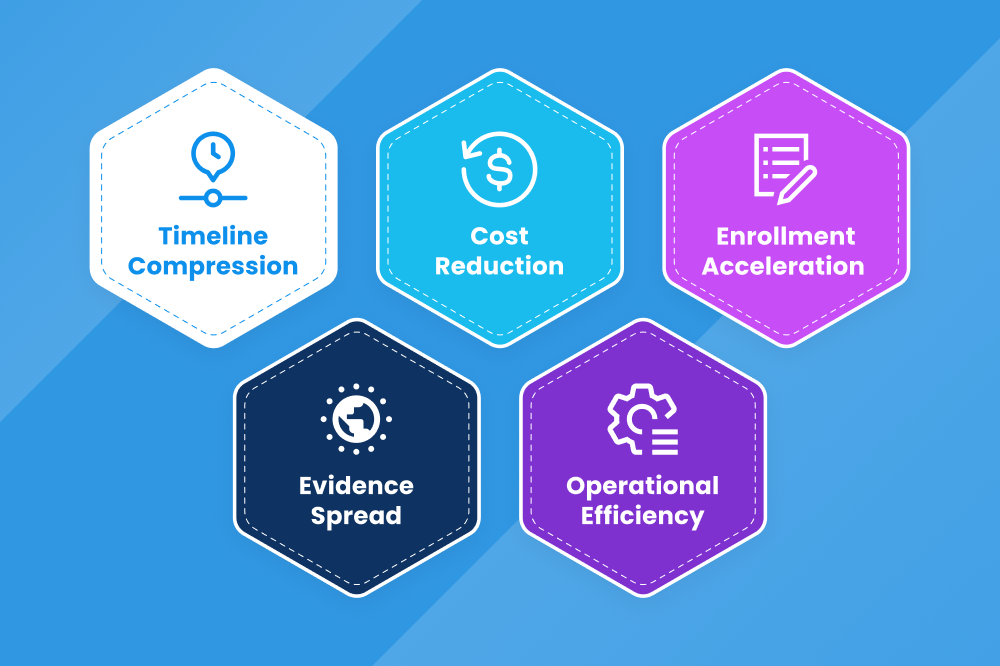

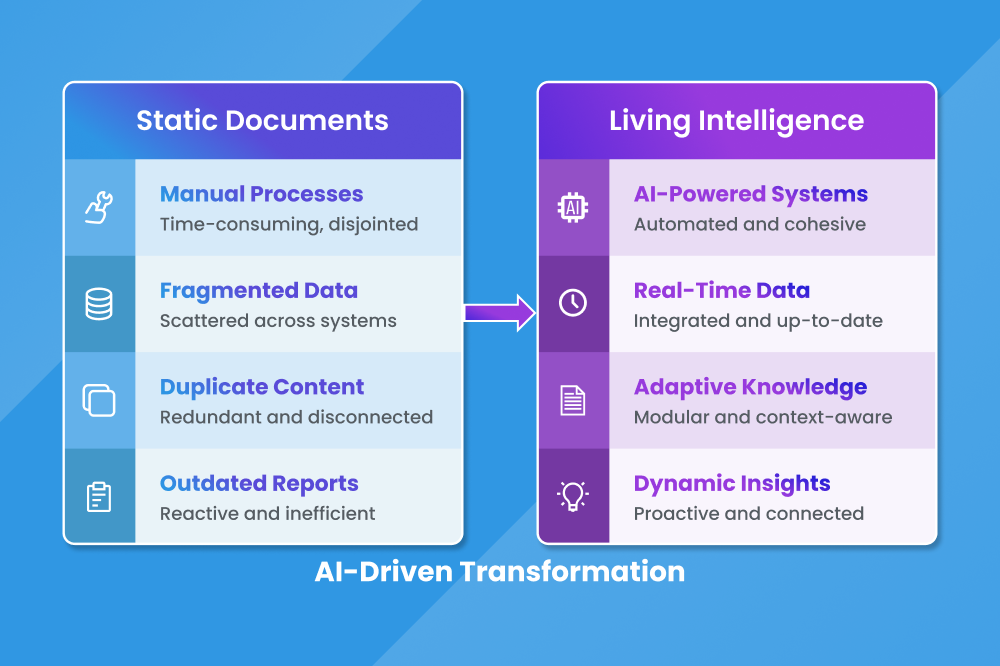
Introduction: The Next Wave of Pharma Innovation In the life sciences, regulatory content has always played a critical role, yet it has rarely been treated as a strategic asset. Documents such as clinical summaries, regulatory submissions, safety reports, and evidence dossiers are essential for compliance, but they are often viewed as static outputs rather than…
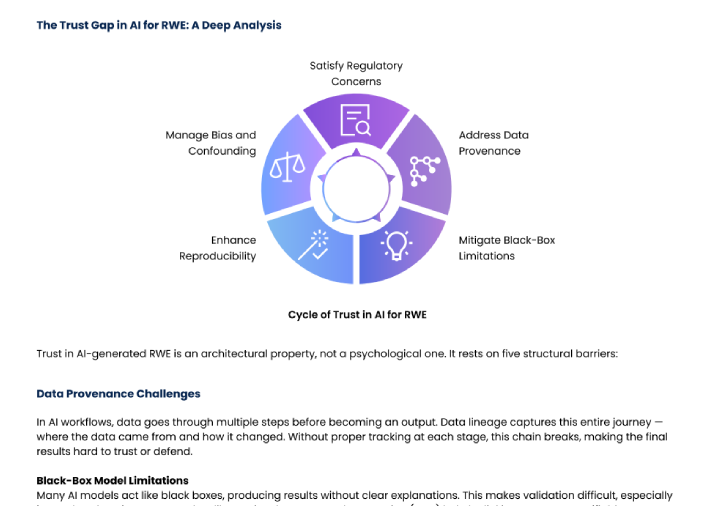
AI adoption in life sciences keeps stalling at the same point when compliance, traceability, and validation requirements enter the room. Most pilots never make it to regulatory or payer decision-making. AI addresses exactly that gap by embedding governance, auditability, and human validation into every workflow, enabling HEOR, Market Access, and Medical Affairs teams to move…
Achievement recognizes organizations, products, teams, and individuals delivering measurable results through artificial intelligence CAMBRIDGE, April 9, 2026—MadeAi, Inc. (MadeAi) today announced it has been named a winner in the 2026 Artificial Intelligence Excellence Awards, in the Generative AI category supporting life sciences. Presented by the Business Intelligence Group, the award recognizes organizations, products, teams, and…
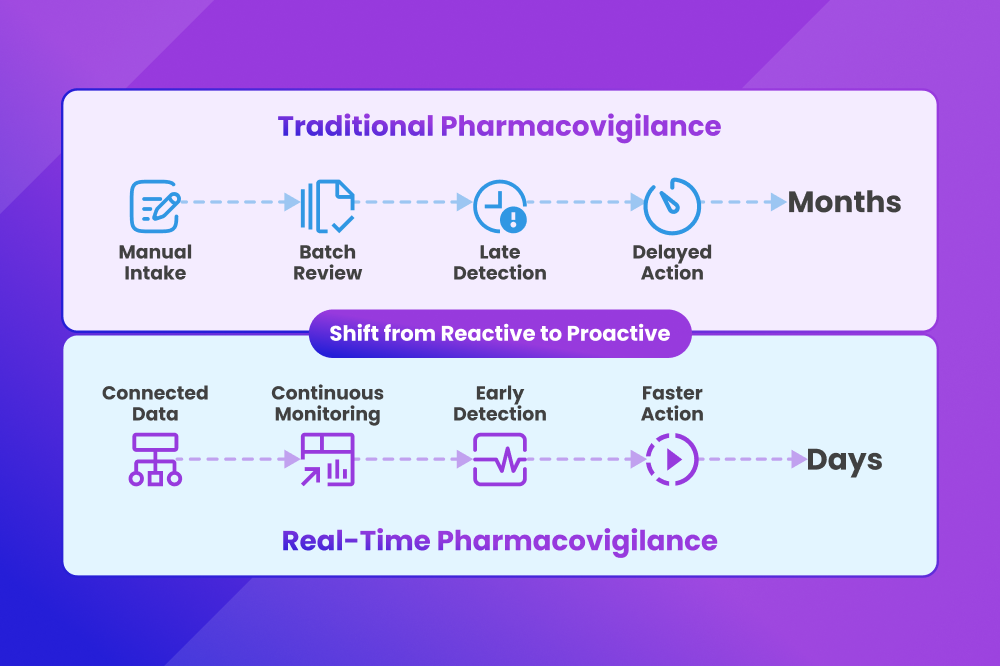
Imagine a world where drug safety isn’t just about responding to problems after they occur, but it’s about predicting and preventing them before patients are at risk. For decades, traditional pharmacovigilance (PV) has functioned like a fire alarm system: it activates only once the smoke appears. Adverse drug reactions (ADRs) are collected through Individual Case…
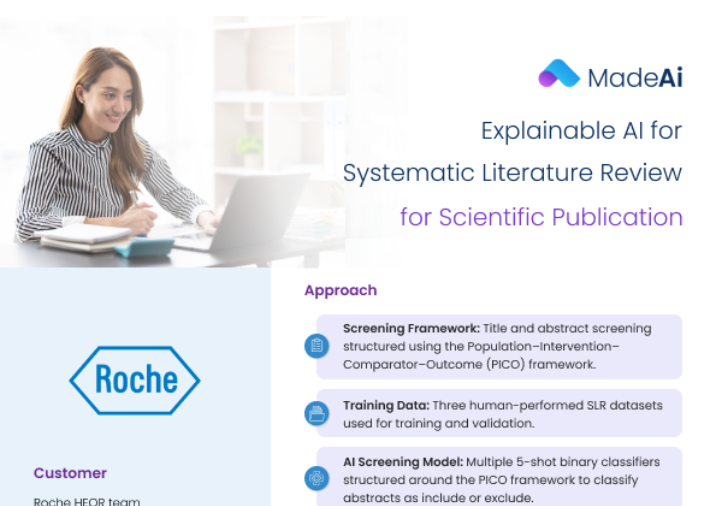
How do you screen thousands of abstracts with transparency and reproducibility using minimal training data? In this case study, MadeAi partnered with the Roche HEOR team to design and validate an explainable AI pipeline for title and abstract screening in a systematic literature review. Using a structured PICO-based framework, the team screened over 3,300 abstracts…
For years, the pharmaceutical industry has followed a familiar evidence cycle. Teams design a clinical trial, execute it, lock the database, analyze the results, and wait for another study to address remaining questions. They wait for post-market surveillance to reveal real-world outcomes and for regulators or payers to request additional data before reimbursement decisions. However,…