Consider a cross-functional team huddled around spreadsheets, regulatory guidelines, and past trial data, spending weeks or sometimes months crafting a single clinical trial protocol; see protocol structure details. Every inclusion criterion, endpoint, and safety measure must align perfectly with ICH-GCP standards, FDA expectations, and real-world feasibility. One misalignment, and you risk costly amendments, delayed starts,…
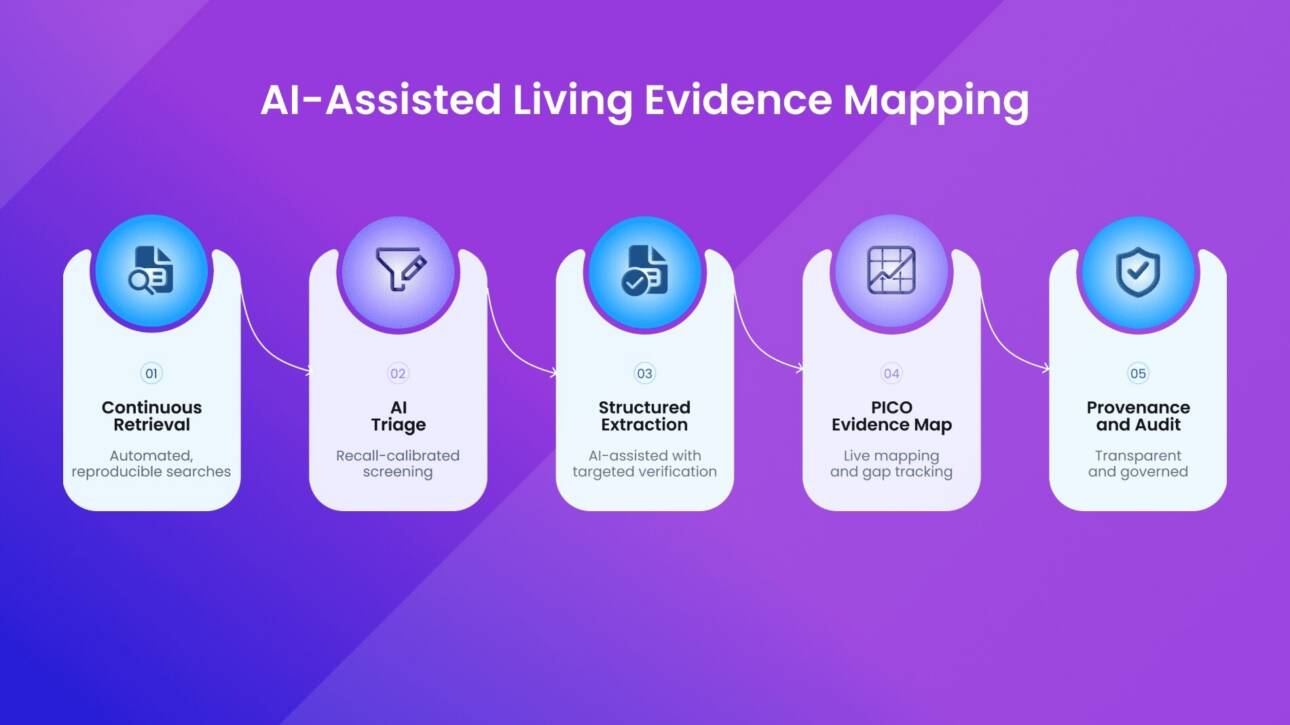
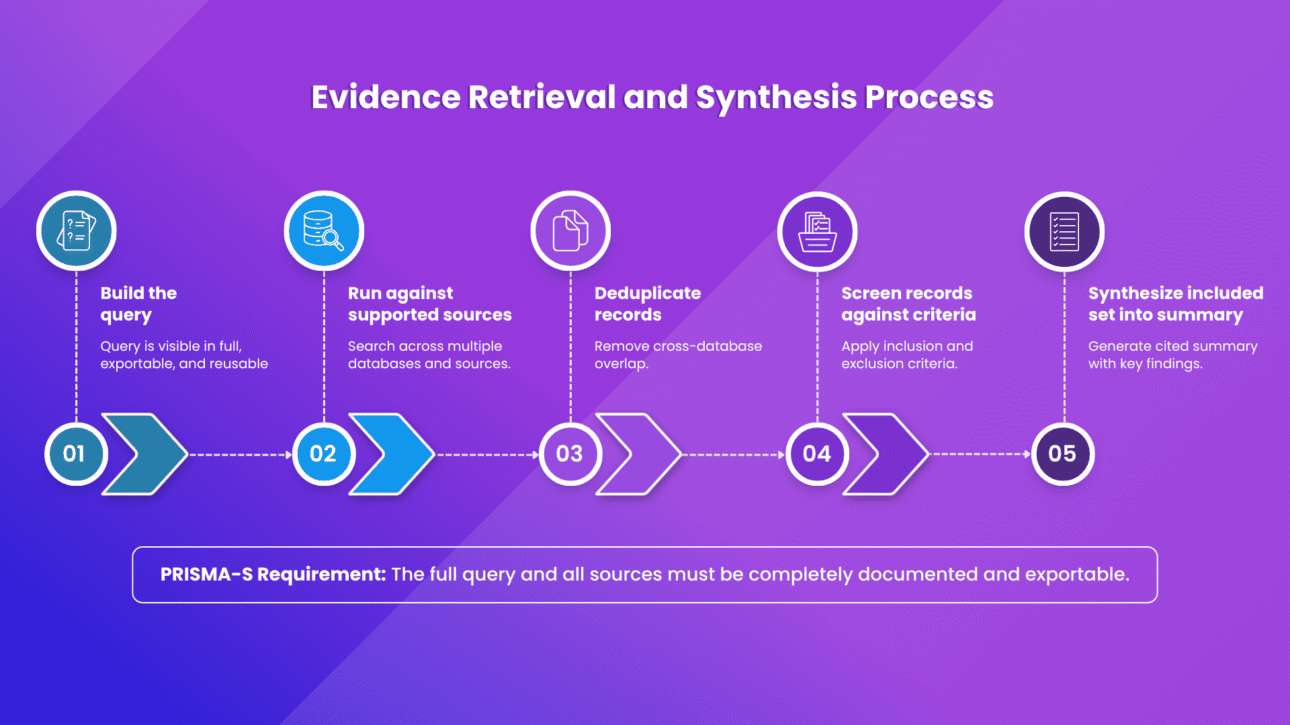
Background: Scientific Data Review Evidence volumes are rising, but review teams are not. In 2010, the scientific community published roughly 75 trials and 11 systematic reviews daily, and this pace has only accelerated. Today, more than 200 new systematic review protocols are registered in PROSPERO every day, illustrating how demand for evidence synthesis has outpaced…
Scaling Patient-Reported Outcomes In the world of clinical research and drug development, patients’ own voices matter more than ever. Patient-reported outcomes (PROs) capture how people actually feel, their symptoms, quality of life, side effects, and daily functioning. Yet turning these often messy, free-text or survey responses into clean, structured data that regulators can trust has…
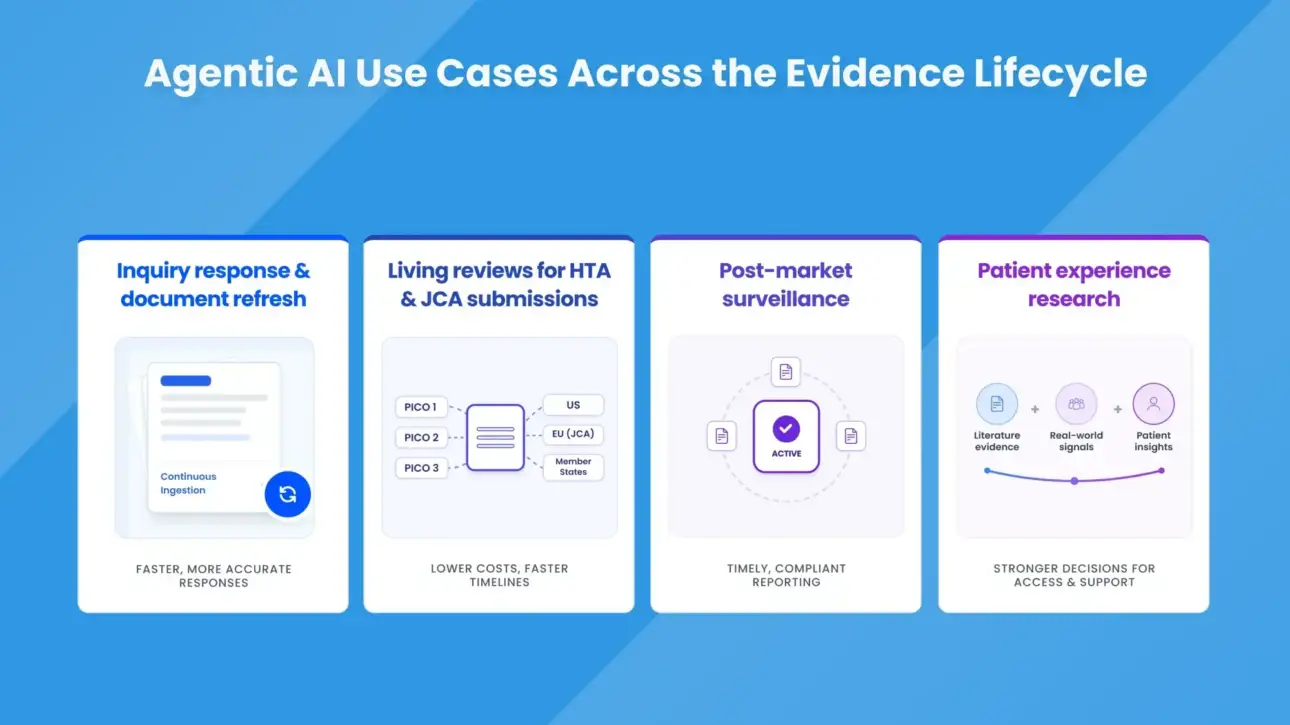
HTA-Ready Evidence Dossiers HTA (Health Technology Assessment)-ready evidence dossiers represent a critical deliverable for HEOR teams seeking market access and reimbursement for new therapies. These documents compile clinical, economic, and real-world evidence to meet strict requirements from health technology assessment bodies such as NICE, CADTH, or HAS. HTA-ready evidence dossiers demand more data, tighter timelines,…
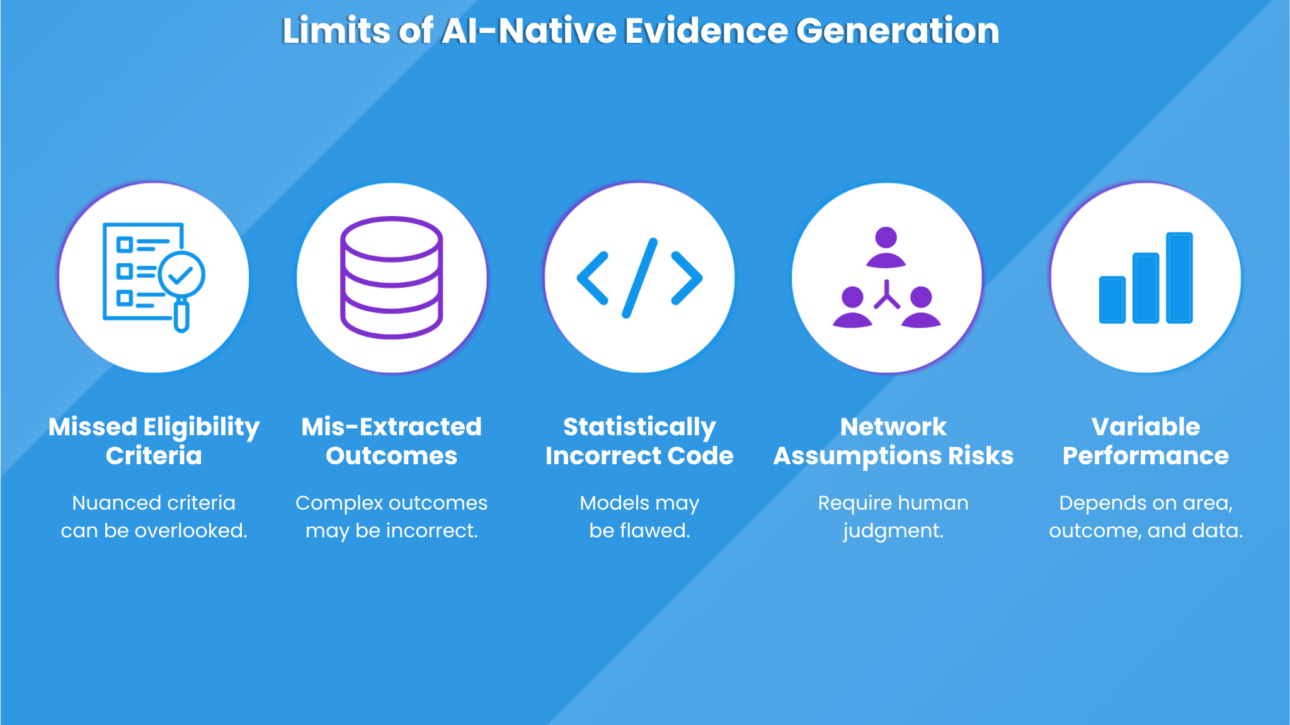
AI in Evidence Generation was the quiet headline at ISPOR 2026 in Philadelphia this May. Most exhibit-hall chatter, though, was still about which chatbot gives the "smartest" answer. MadeAi presented four posters at ISPOR 2026. They covered literature review methodology, GenAI validation, drug repurposing, and social media listening for CSL Behring. Together, they tell a…
Why Evidence for Rare Disease Matters AI and real-world evidence (RWE) are reshaping the path from laboratory discovery to regulatory approval. Their convergence matters most for patients who can't afford to wait. For patients with rare diseases, waiting for treatment can mean years of uncertainty. In the United States, a rare disease is generally defined…