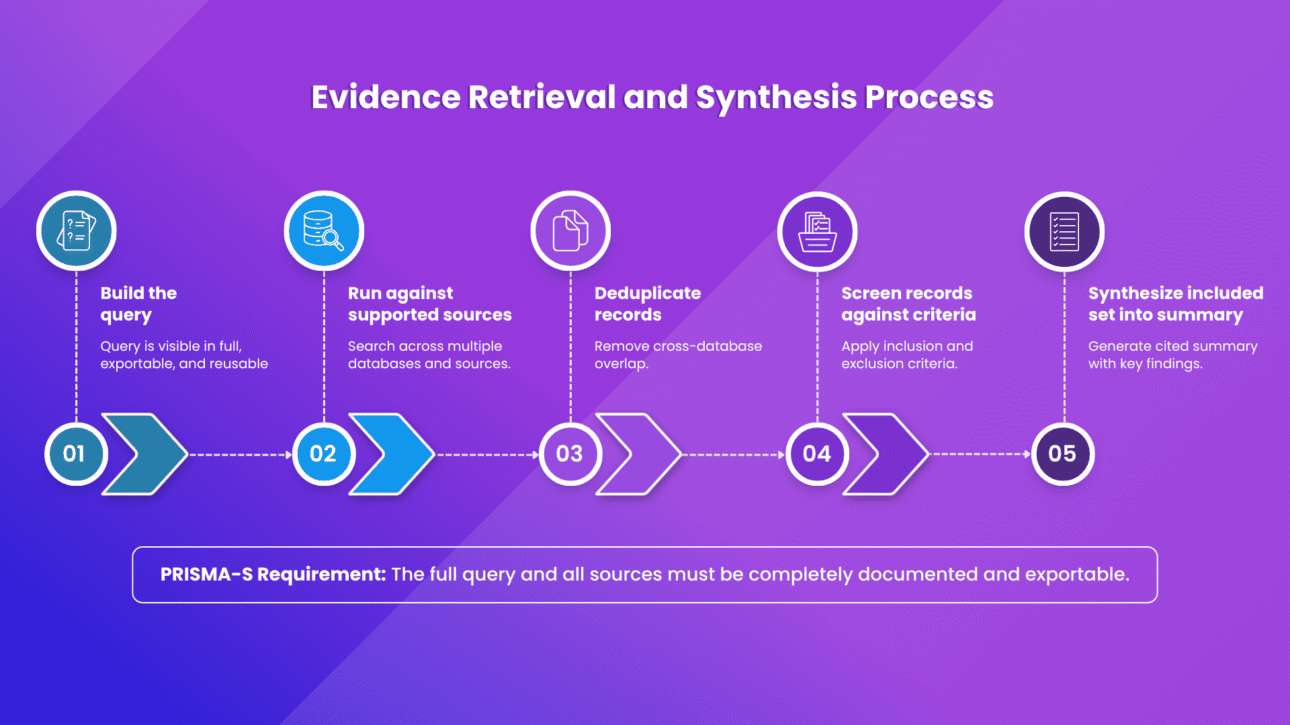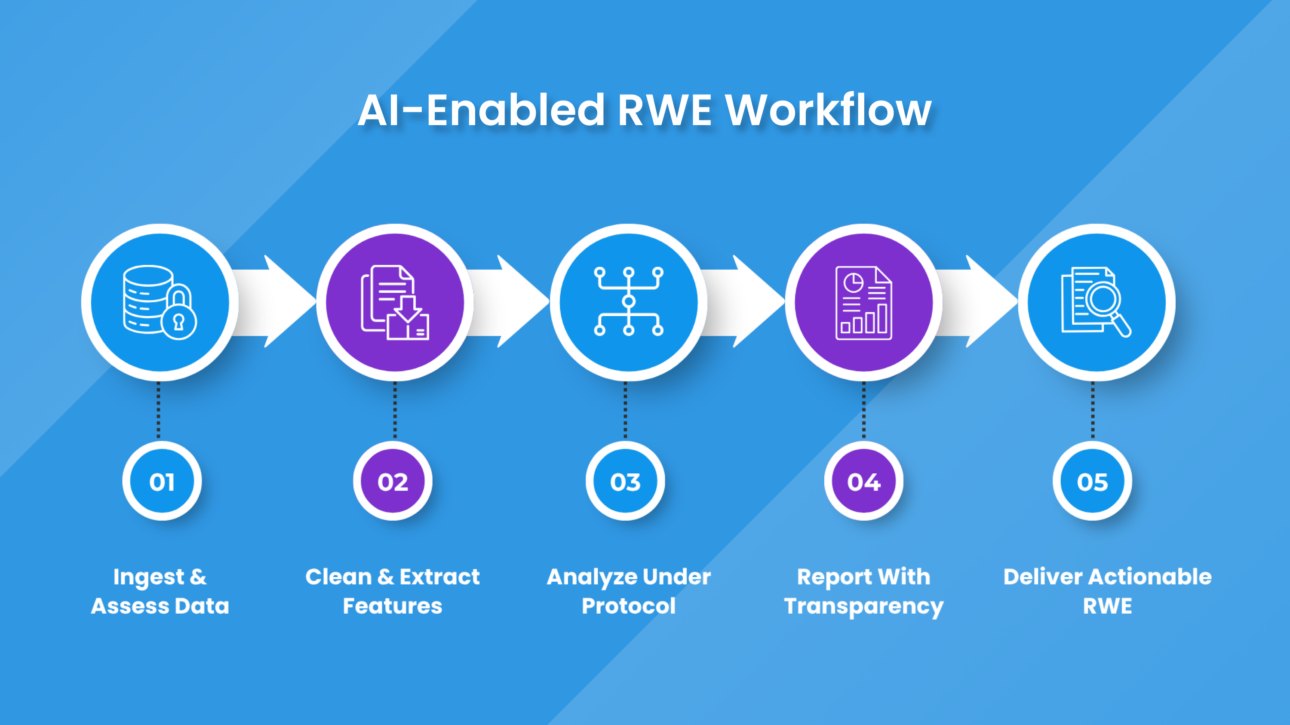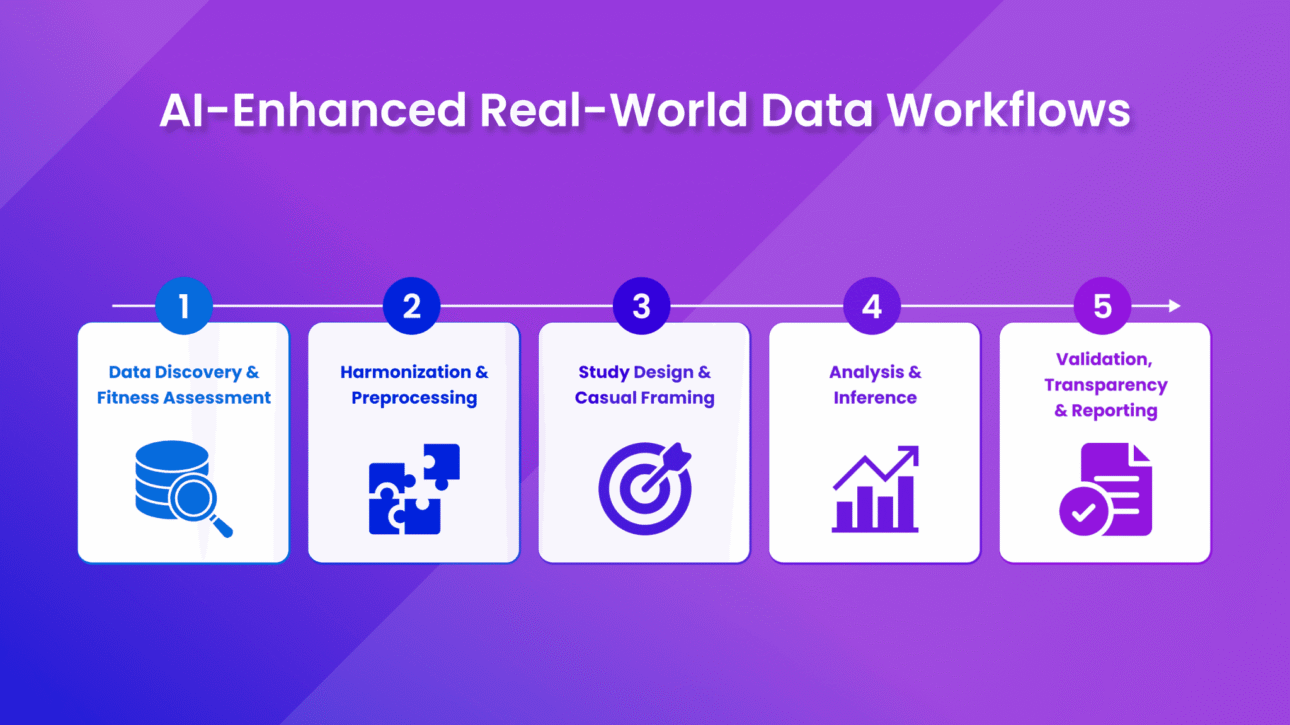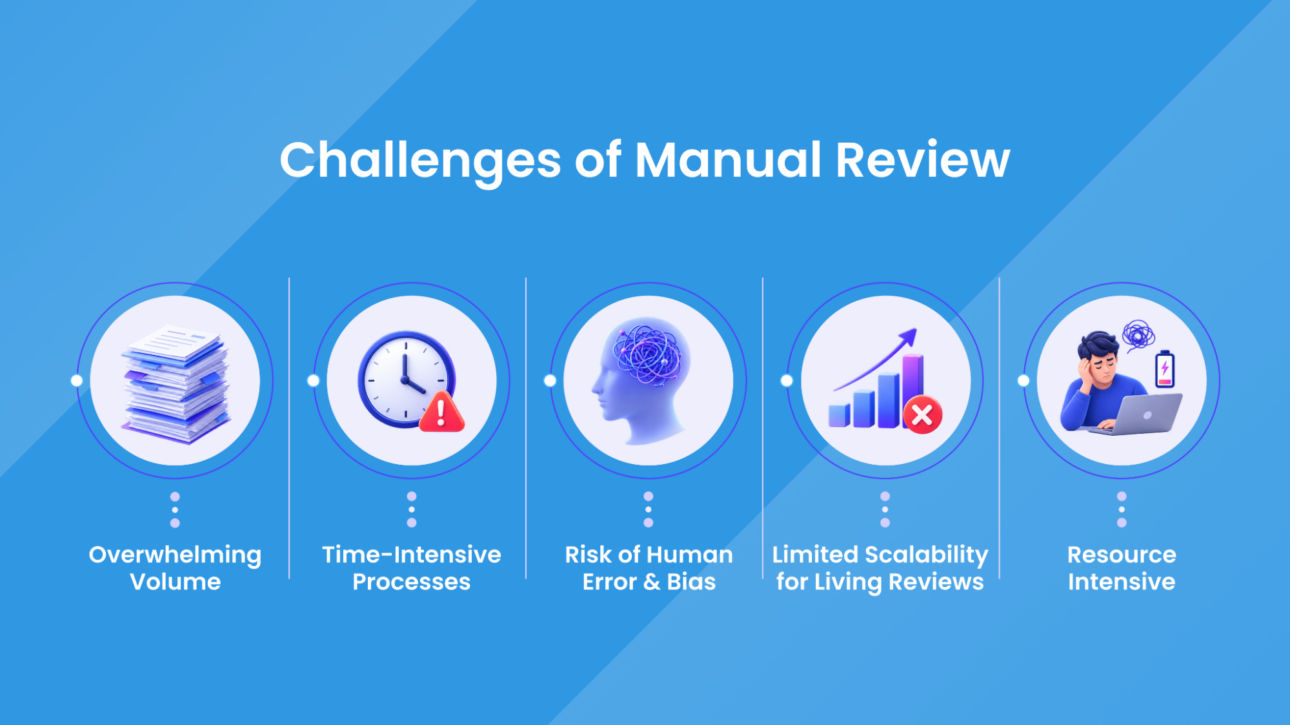
Why Evidence for Rare Disease Matters AI and real-world evidence (RWE) are reshaping the path from laboratory discovery to regulatory approval. Their convergence matters most for patients who can't afford to wait. For patients with rare diseases, waiting for treatment can mean years of uncertainty. In the United States, a rare disease is generally defined…
SLR vs. Meta-Analysis: An Overview You've just received a research question from your stakeholders. They want to understand the effectiveness of a new therapeutic intervention across the published literature. Naturally, your next thought is: should we conduct a systematic literature review (SLR) or a meta-analysis? In healthcare and life sciences, this question sits at the…
Hereditary Angioedema patient burden remains a significant challenge for those living with this rare, unpredictable condition, even as new treatments emerge. At MadeAi, we specialize in turning real-world patient conversations into actionable intelligence. Our latest social media listening analysis, presented at ISPOR USA 2026, reveals how HAE continues to affect daily lives while highlighting opportunities…
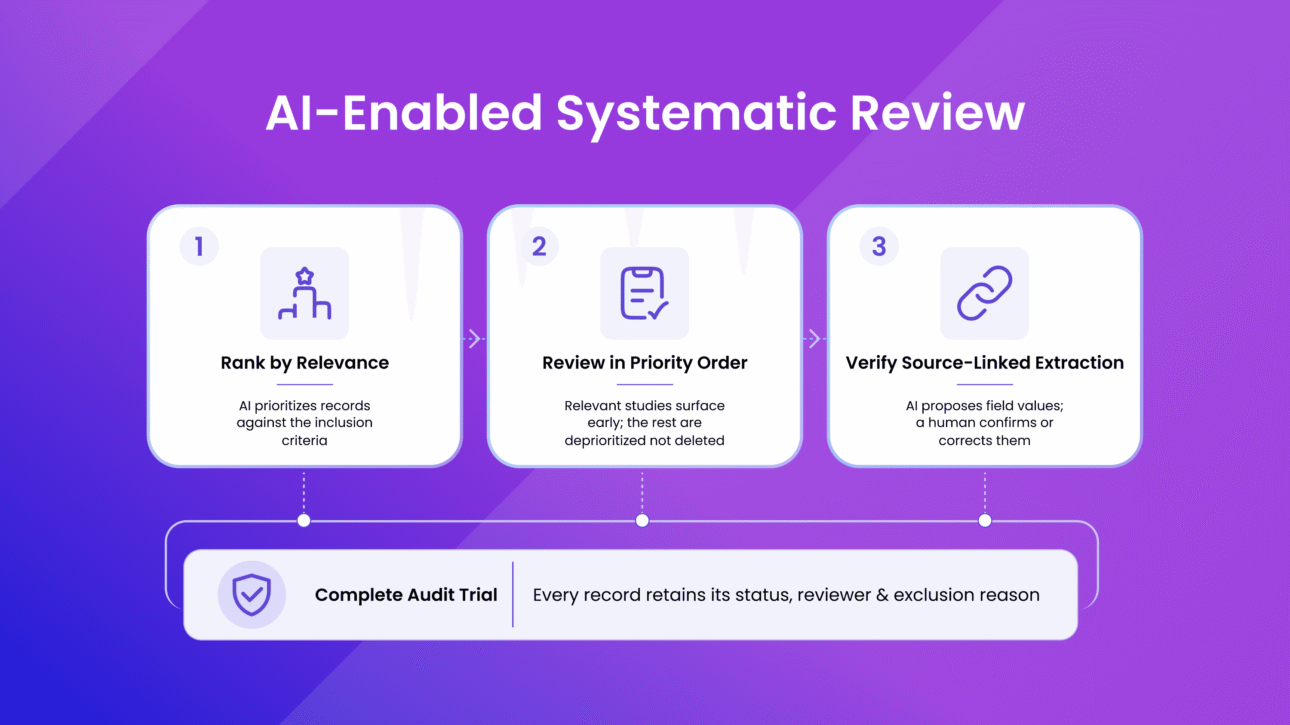
AI-augmented literature reviews are transforming evidence generation across life sciences. This blog explores multi-project analysis of AI-assisted literature reviews. It examines improvements in review speed, screening accuracy, traceability, and workflow efficiency while maintaining rigorous human oversight for submission-ready outcomes. For teams in health economics and outcomes research (HEOR), regulatory affairs, and evidence generation, systematic literature…
AI-Assisted Drug Repurposing What if the next breakthrough treatment is already available today, hidden within existing drugs and waiting to be discovered? This question drives the growing field of AI-assisted drug repurposing, a smart and cost-effective strategy that looks for new therapeutic uses for approved medications. Unlike traditional drug development, which can cost billions and…
What is AI-assisted literature screening for Class II medical devices? AI Literature Screening for Medical Devices is the application of artificial intelligence to identify, review, classify, and prioritize scientific literature relevant to a medical device. This reduces the manual effort required for evidence generation and regulatory review workflows. For instance, AI analyzes titles, abstracts, and…