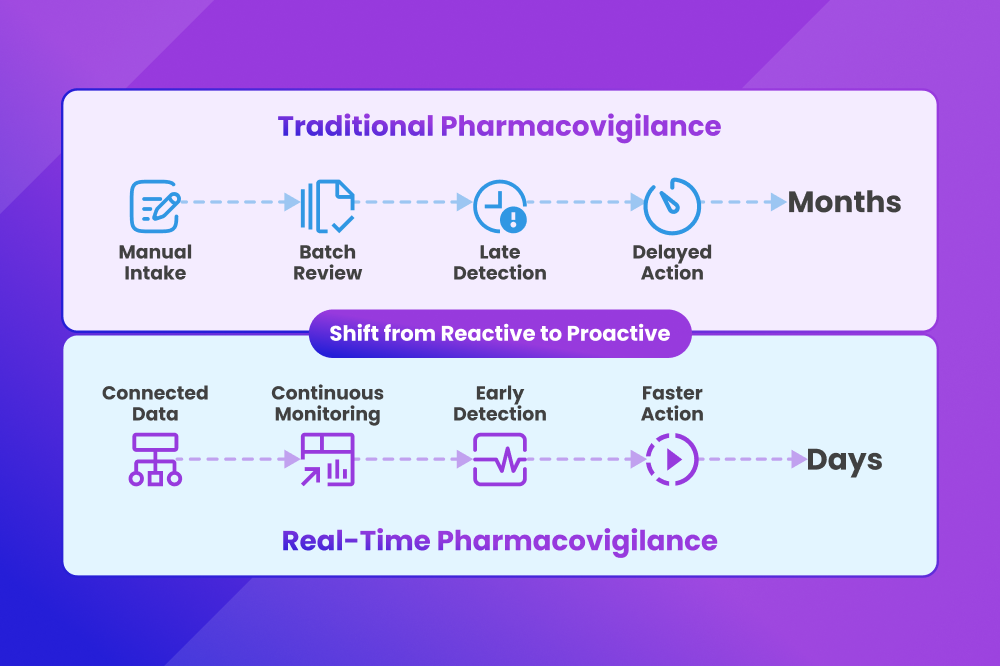
Imagine a world where drug safety isn’t just about responding to problems after they occur, but it’s about predicting and preventing them before patients are at risk. For decades, traditional pharmacovigilance (PV) has functioned like a fire alarm system: it activates only once the smoke appears. Adverse drug reactions (ADRs) are collected through Individual Case…
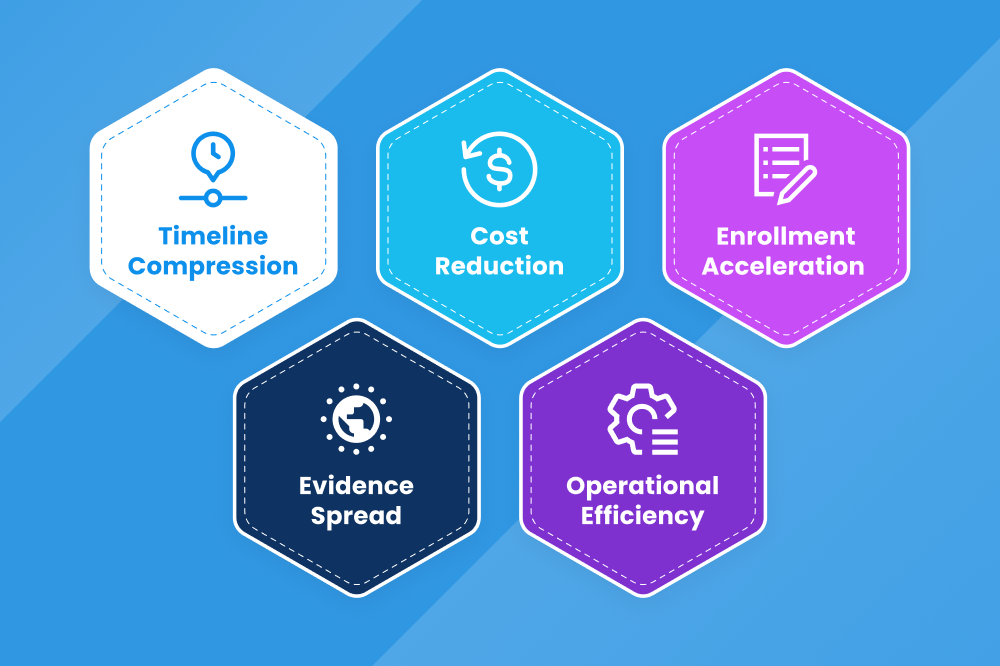
For years, the pharmaceutical industry has followed a familiar evidence cycle. Teams design a clinical trial, execute it, lock the database, analyze the results, and wait for another study to address remaining questions. They wait for post-market surveillance to reveal real-world outcomes and for regulators or payers to request additional data before reimbursement decisions. However,…
The pharmaceutical industry is currently at a pivotal moment in the AI landscape. After years of cautious AI experimentation limited to isolated labs and pilot programs, something fundamentally different is unfolding in 2026. The central question has shifted from “Does AI work?” to “How do we deploy it safely and at scale?” especially in organizations…
If Prediction #1 marked AI’s move into the core of life sciences operations, Prediction #2 defines how that AI will operate: not as passive copilots, but as agentic systems that reason, plan, and execute work autonomously. In CapeStart & MadeAi’s 2026 Predictions for AI in Life Sciences webinar, Angeline Dhas, Head of Product Management for…
Every professional in the life sciences knows the feeling: literature review is challenging, time-consuming, and above all, exhausting. This essential step in research can feel like a massive hurdle, slowing down innovation and consuming countless hours. Recognizing this frustration, MadeAi developed MadeAi-LR, a powerful GenAI-enabled solution designed to transform the literature review process. It provides…
As the demands for faster, more accurate, and scalable literature reviews rise in life sciences, AI is no longer just a future promise—it’s a proven performance driver. Systematic literature review (SLR) teams, especially in HEOR and medical affairs, are adopting GenAI platforms not just for experimentation but to solve long-standing bottlenecks in screening, extraction, and…